ترك رسالة
إذا كنت مهتمًا بمنتجاتنا وترغب في معرفة المزيد من التفاصيل، فيرجى ترك رسالة هنا، وسنرد عليك في أقرب وقت ممكن.

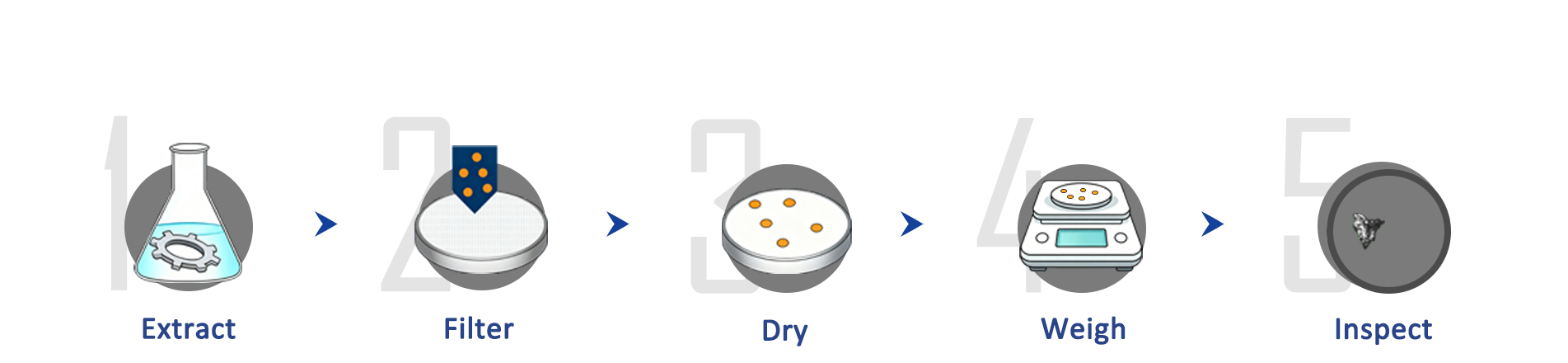
لماذا يحتاج المنتج إلى إجراء اختبارات النظافة الفنية؟
1. إن التفاوتات الأكثر صرامة تجعل المنتجات أكثر حساسية للملوثات والمخلفات.
2. ترتبط النظافة بعمر المنتج.
3. يمكن أن تتسبب جزيئات الملوثات الكبيرة (الجزيئات القاتلة) في فشل المعدات أو خلل في وظيفتها أو فقدان السيطرة عليها.
4. تتطلب مكونات إعادة تدوير غاز العادم أسطحًا ناعمة للغاية (خالية من الخدوش).
5. تتطلب مكونات التحكم في الضوضاء أسطحًا ناعمة للغاية (خالية من الخدوش).
6. تتطلب قوانين إعادة التدوير منتجات خالية من الرصاص (متطلبات صارمة للغاية فيما يتعلق بالمخلفات).
كيفية إجراء عملية فحص النظافة الفنية؟
- قم بتشغيل مفتاح الطاقة الخاص بالجهاز
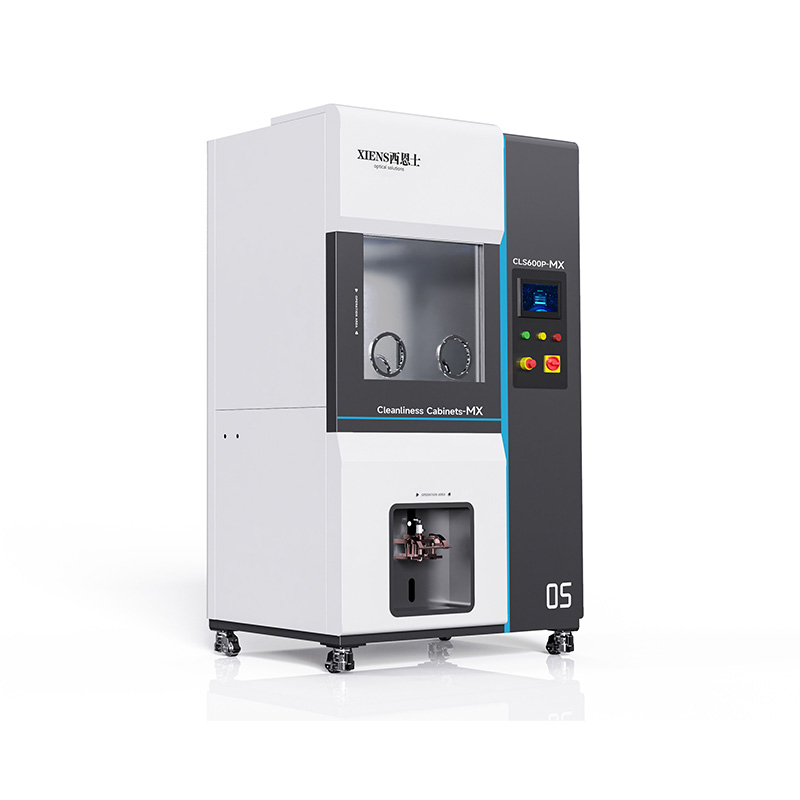
لوحة شاشة لمس PLC HMI
- تحضير غشاء الترشيح
افتح حامل غشاء الترشيح
- ضع غشاء الترشيح
- عينة اختبار النظافة
- بدء عملية التنقية
- ضع العينة في حجرة التنظيف
- أغلق باب الغرفة
- الشطف بالضغط
- شطف بالرش
- الانتهاء من عملية الشطف بالرش
- قم بإزالة غشاء الترشيح
- ضع غشاء الترشيح في المجفف
- ضع غشاء الترشيح في فرن التجفيف
بعد التجفيف، ضع غشاء الترشيح في فرن التبريد.
- الوزن بعد التبريد
- اطرح الوزن الصافي لغشاء الترشيح من الوزن المعروض
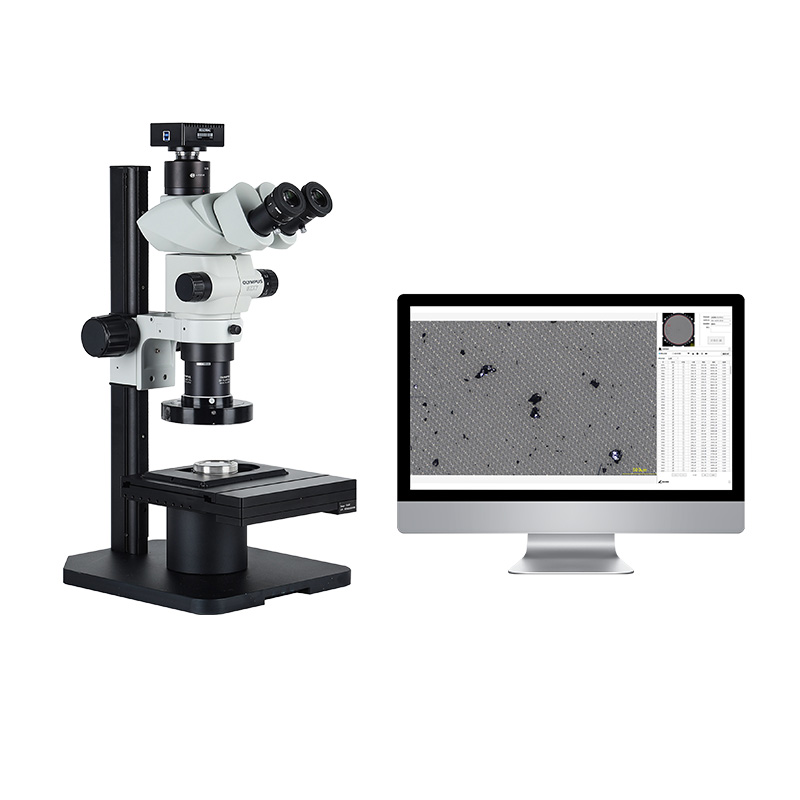
- الاستعداد لتفتيش النظافة
- ضع غشاء الترشيح على المنصة
- ابدأ المسح
- التعرف التلقائي على الجسيمات المعدنية
- التعرف التلقائي على الجسيمات غير المعدنية
- التعرف التلقائي على الألياف
- إنشاء تقرير فحص النظافة بنقرة واحدة



 IPv6 الشبكة المدعومة
ترك رسالة
امسح ضوئيًا إلى WeChat :

امسح ضوئيًا إلى واتساب :

 English
 Français
 Русский
 Español
 Português
 عربي
عربي احصل على عرض سعر